Caring for Purebred Dogs in Romania

Breed-specific information on nutrition, coat care, temperament, and veterinary resources — gathered for Romanian owners and dog enthusiasts.

German Shepherd Golden Retriever Labrador Dobermann Rottweiler Beagle

Recent Articles

Practical notes on breed temperament, feeding schedules, training consistency, and finding veterinary care in Romanian cities.

German Shepherd dog standing in a field Breeds

Popular Purebred Dogs in Romania: Breed Profiles and Temperament Notes

An overview of the most widely kept purebred dogs in Romania, covering size, energy level, grooming needs, and suitability for different living situations.

Updated May 2026 Read more →
Golden Retriever dog Nutrition

Nutrition Guide for Purebred Dogs: What to Feed and When

Feeding schedules, portion guidelines, and ingredient considerations for large and medium-breed dogs, with notes on products available in Romanian pet shops.

Updated May 2026 Read more →
Dog training session outdoors Training

Dog Training Basics: Consistent Methods That Work Across Breeds

A look at foundational training approaches — reward timing, impulse control, and socialization windows — that apply regardless of breed, with local training context.

Updated May 2026 Read more →

German Shepherd in Romania

The German Shepherd remains one of the most common purebred dogs in Romanian homes and working environments. Its dual-coat, high drive, and strong bond with handlers make it demanding but deeply rewarding to own. This profile covers the practical side: shedding cycles, exercise minimums, and joint health considerations at different life stages.

Read the breed profile
Black Labrador Retriever

Labrador Retriever

Consistently ranked among the most popular family dogs in Romania. Friendly temperament, moderate grooming, and adaptable to both urban and rural living.

Breed notes →
Golden Retriever holding tennis ball

Golden Retriever

High energy in youth, calm in adulthood. Hip dysplasia is the primary health concern; responsible breeders test parent stock before breeding.

Breed notes →
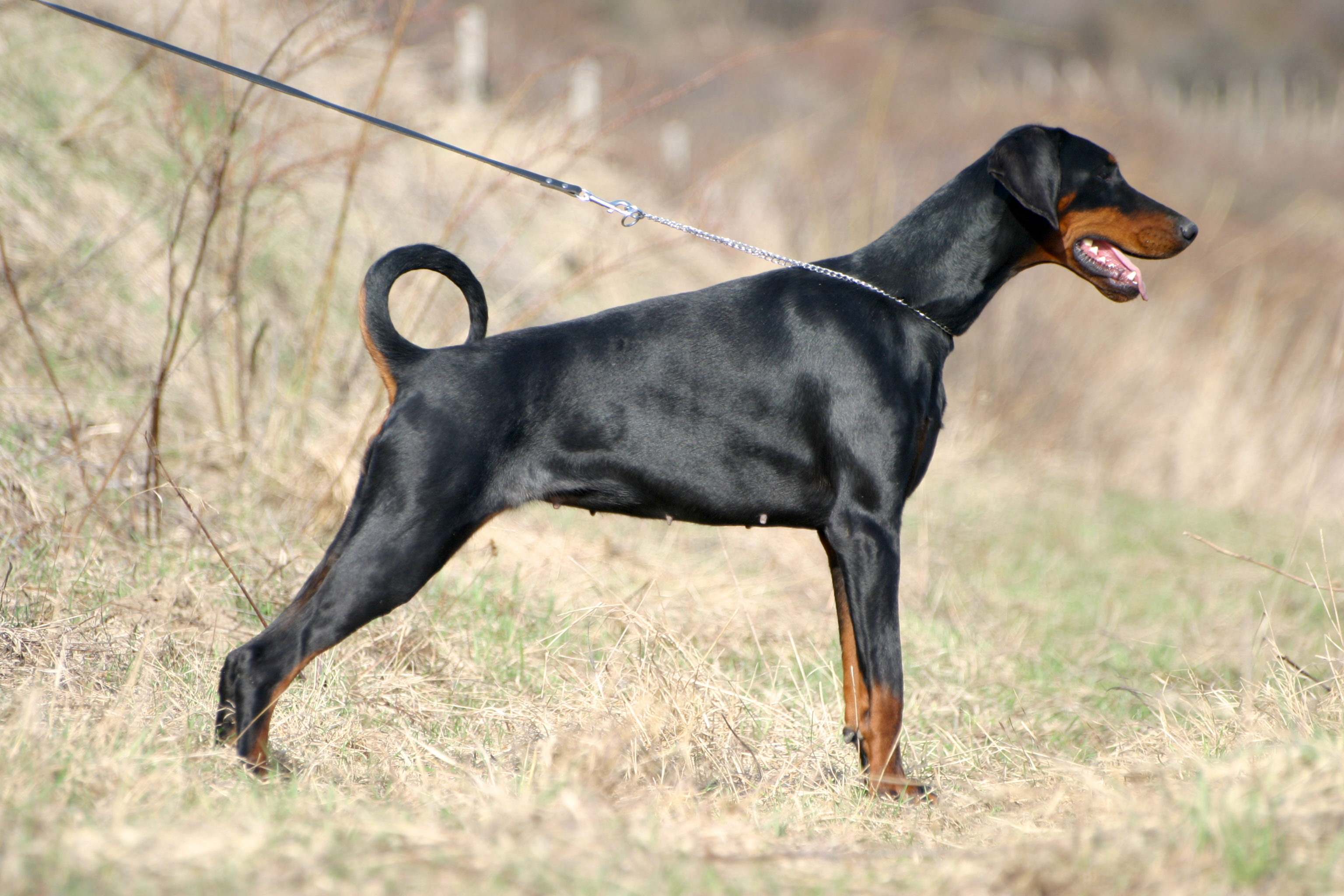
Doberman Pinscher standing

Dobermann

Alert, loyal, and highly trainable. In Romania, Dobermanns are kept both as family dogs and in professional security contexts — temperament depends heavily on early socialization.

Breed notes →
Beagle dog

Beagle

Compact size and a curious nose make the Beagle popular in smaller Romanian apartments, though its vocal nature requires patient training from an early age.

Breed notes →
Rottweiler standing

Rottweiler

A confident, calm breed when properly socialized. Romanian regulations on large breeds apply — check local municipality rules before acquiring a Rottweiler.

Breed notes →
Dobermann at a dog handling competition

Dog Shows in Romania

FCI-affiliated dog shows are held regularly across Romanian cities. The Romanian Kennel Club (AChR) maintains the official breed registry and show calendar.

Show notes →

Finding a Veterinarian in Romania

Major cities — București, Cluj-Napoca, Timișoara, Iași — have veterinary clinics that accept purebred dogs for routine and specialist care. Vaccination schedules, microchipping requirements, and EU Pet Passport processing are all handled at licensed veterinary practices. This guide covers what to expect at first visits and how breed-specific conditions are typically approached by Romanian veterinarians.

Veterinary notes →

Nutrition by Breed Size

Large breeds like the German Shepherd and Rottweiler need controlled calcium and phosphorus ratios during growth phases. Feeding adult-formula food too early — or puppy formula too late — affects bone development. The full nutrition article covers feeding windows, product categories available in Romania, and what to watch for on ingredient labels.

Training Consistency Matters More Than Method

Research published by the Association of Professional Dog Trainers consistently shows that timing and consistency outperform any specific method. For Romanian owners navigating between traditional and force-free approaches, this article breaks down what the evidence actually says — without ideology.

Read the training article

Have a question about your breed?

Send a note through the contact form. Responses typically arrive within two business days. For urgent veterinary matters, contact a licensed veterinarian directly.

Contact