Romania has a long tradition of working dogs, and purebred ownership has expanded considerably since the early 2000s as urban incomes rose and pet culture shifted toward companionship. The breeds covered here appear most often in Romanian households, shelters, and FCI-registered kennels. Each profile addresses what ownership actually involves — not idealized descriptions — with attention to the Romanian climate, available veterinary infrastructure, and practical regulations.
German Shepherd
The German Shepherd (Ciobănesc German) is among the most recognizable dogs in Romania, kept in both private homes and professional working contexts — border patrol, search-and-rescue units, and private security firms all rely on the breed. The AChR (Asociația Chinologică din România) maintains an active German Shepherd club with breed wardens who can verify lineage before purchase.
The breed's double coat sheds heavily twice a year. In Romania's continental climate — cold winters, warm summers — this means significant grooming commitment in March–April and September–October. Daily brushing during shedding season is realistic; weekly brushing the rest of the year. The undercoat retains moisture, so thorough drying after rain or water play matters for skin health.
Exercise requirements are high. Adults need 60–90 minutes of structured activity daily — not just off-leash time in a yard. Mental stimulation through obedience or nose work reduces destructive behavior in apartment settings, which are common in Romanian cities. Hip and elbow dysplasia are the primary heritable conditions; any reputable Romanian breeder should provide OFA or equivalent certifications for parent dogs.

Labrador Retriever
The Labrador Retriever (Labrador Retriever) has been the most registered breed with the AChR for several consecutive years. Its tolerance for children, adaptability to both apartments and houses with yards, and relatively uncomplicated grooming make it the default recommendation for first-time owners in Romanian veterinary practices.
Labrador temperament varies by line. Field-bred lines are significantly higher energy and more oral than show lines. Before acquiring a puppy, it is worth asking whether the breeder works from working or show-oriented stock. Either is a valid choice, but the activity levels differ enough to matter in a city apartment in Cluj-Napoca or București.
Labradors are prone to obesity — a significant issue in Romania where high-carbohydrate dry foods dominate the affordable market. Portion discipline from puppyhood prevents the joint problems that compound with weight in middle age. The breed also carries a known genetic variant (POMC deletion) that creates persistent hunger; affected dogs will eat past satiety if allowed free access to food.

Golden Retriever
The Golden Retriever shares much of the Labrador's temperament profile but carries a higher grooming burden — the dense water-resistant coat tangles around ears and thighs and requires brushing three to four times per week, with professional grooming recommended every eight to twelve weeks. In Romania's summer heat, a shortened trim (not a full shave — the coat also provides sun protection) is a common management choice.
Hip dysplasia rates in Golden Retrievers are among the highest of all breeds. The Orthopedic Foundation for Animals (OFA) rates parent stock, and several Romanian breeders have adopted this standard. Cardiac exams are also advised — subvalvular aortic stenosis is heritable in the breed. A reputable breeder will provide documentation; the Romanian Veterinary Authority recognizes OFA and European equivalent certifications.
Cancer rates in Golden Retrievers are unusually high globally, and there is no strong evidence this differs in Romanian-bred lines. Veterinary oncology practices exist in Bucharest (including at the Faculty of Veterinary Medicine, USAMV) and in a limited number of specialist clinics in Cluj-Napoca and Timișoara.

Dobermann
The Dobermann (Doberman Pinscher) is classified as a potentially dangerous breed under Romanian law (OUG 55/2002, as amended), which requires muzzling in public spaces and liability insurance for owners. These requirements apply regardless of the individual dog's temperament, so prospective owners should review current municipal regulations before acquiring one.
Early socialization is the single most important factor in Dobermann temperament. Dogs exposed to a wide range of people, surfaces, sounds, and situations before sixteen weeks are reliably calmer adults. Romanian breeders who specialize in the breed typically start socialization protocols from three weeks; asking what the breeder does between weeks three and eight is a useful screening question.
The breed is affected by dilated cardiomyopathy (DCM) at rates significantly higher than the general dog population. Holter monitoring is recommended from age two onward, repeated every twelve months. Several Romanian veterinary cardiology specialists in Bucharest offer Holter analysis; the test requires a 24-hour ambulatory ECG.

Beagle
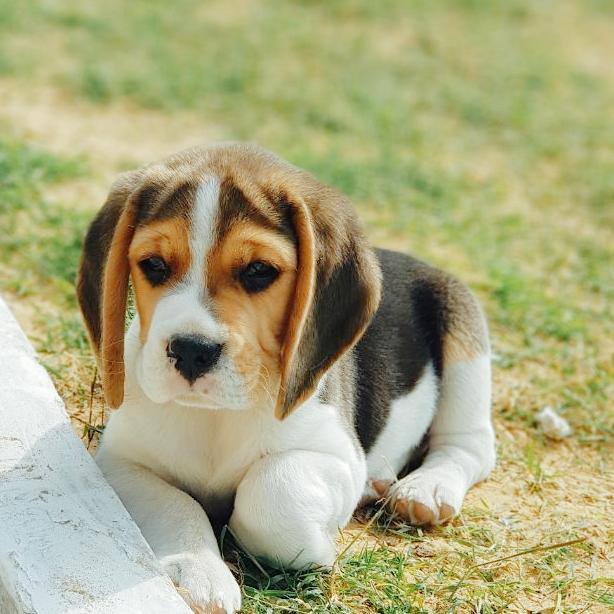
The Beagle's small size and friendly demeanor make it attractive to urban Romanian owners, but the breed's vocal nature — Beagles bay rather than bark, and do so frequently when under-stimulated — creates problems in apartment buildings where noise sensitivity is high. Soundproofing decisions and neighbor relationships should be considered honestly before acquiring a Beagle in a block of flats.
Nose work and scent-based games are the most effective enrichment for Beagles. The breed was developed to work all day on a scent trail, and that drive doesn't disappear in a domestic setting. Ten minutes of structured scent work tires a Beagle more effectively than thirty minutes of walking. Several Romanian dog sport clubs run nose work classes.
Epilepsy is seen in some Beagle lines. Owners noticing ataxia, jaw movements, or sudden behavioral changes should request a neurological workup. The Faculty of Veterinary Medicine in Bucharest and private specialist practices offer MRI and EEG services.
Rottweiler
Rottweilers are also subject to OUG 55/2002 restrictions in Romania. Muzzle requirements in public and mandatory insurance apply. Municipal interpretations vary — some Romanian cities apply additional restrictions on where large restricted breeds can be walked — so checking with the local primărie before purchasing is advisable.
Rottweilers mature slowly; behavioral maturity typically arrives at two to three years. The period between adolescence and full maturity is when management failures tend to compound. An under-exercised, under-socialized Rottweiler adolescent in a Romanian apartment is a common pattern in rescue intake. Organizations like Vier Pfoten and local Romanian rescue associations regularly receive Rottweilers surrendered at 12–18 months for exactly this reason.
Joint health monitoring should begin early. Hip and elbow evaluations at twelve months establish a baseline. Weight management is especially important — Rottweilers gain weight easily, and excess weight multiplies joint stress at the rate roughly proportional to the square of weight increase above ideal.

Veterinary Context in Romania
Veterinary infrastructure in Romania varies significantly between urban and rural areas. In Bucharest, Cluj-Napoca, Timișoara, Iași, and Brașov, specialist practices covering cardiology, oncology, orthopedics, and neurology are available. In smaller towns and rural areas, general practitioners handle most cases, with referral to urban specialists for complex diagnostics.
Vaccination schedules follow the WSAVA guidelines adopted by the Romanian Veterinary Authority. The core vaccines — distemper, parvovirus, adenovirus — are widely available. Rabies vaccination is legally mandatory for all dogs and must be recorded in the EU Pet Passport. Microchipping is also mandatory and is required before rabies vaccination registration.
Emergency veterinary care is available in major cities, including 24-hour practices in Bucharest. Costs are considerably lower than Western European equivalents, though specialist diagnostics (MRI, Holter monitoring, oncology panels) approach Western pricing. Pet health insurance is available through several Romanian insurers and worth considering for breeds with known health predispositions.
Dog Shows and the AChR
The Asociația Chinologică din România (AChR) is the FCI member organization in Romania and manages breed standards, kennel registration, and dog show licensing. National shows are held three to five times per year; regional shows are more frequent. For owners of purebred dogs with pedigrees, the AChR provides confirmation (conformation evaluation by a breed judge) which is required before dogs can be bred with registered offspring.
Show results from Romanian judges are recognized across FCI member countries, meaning a title earned in Romania carries international standing. The FCI website maintains the full list of upcoming international shows held in Romania.